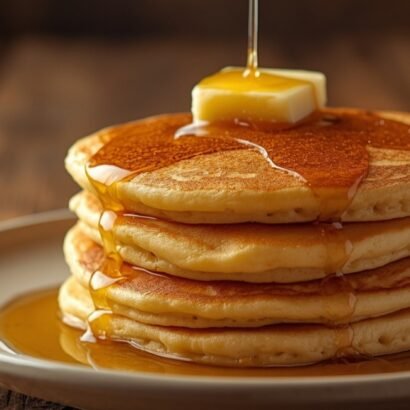

Craving a warm breakfast that feels special without much effort? This French toast recipe gives you golden edges, a tender center, and plenty of comforting flavor. Made with simple pantry staples, this Easy French toast comes together quickly for busy mornings or relaxed weekend brunches.
The trick lies in choosing the right bread, mixing a balanced custard, and cooking each slice over steady heat. You’ll get Fluffy French toast with a lightly crisp surface instead of a soggy middle. Add warm Maple syrup, fresh berries, or powdered sugar on top for a delicious finish. Whether you’re cooking for family or treating yourself, this Homemade French toast recipe makes breakfast feel wonderfully satisfying.
Why This Is the Best French Toast Recipe
This Best French toast recipe balances rich eggs, milk, vanilla, and cinnamon without overwhelming the bread. A quick dip keeps the outside crisp while the center stays soft. The result is Perfect French toast that tastes homemade, comforting, and far better than a rushed diner-style breakfast.
What makes this approach reliable is its simplicity. You do not need expensive equipment or unusual ingredients. Slightly stale bread absorbs the custard beautifully while medium heat creates a Crispy French toast exterior without burning the surface.

French Toast Recipe – Easy, Fluffy & Golden French Toast
Ingredients
Eggs – 4 large | Egg substitute
| Whole milk – 1 cup | Oat or almond milk |
| Sweetener – 1–2 tbsp | Maple syrup |
| Vanilla extract – 1 tsp | Vanilla paste |
| Cinnamon. – 1 tsp | Pumpkin spice |
| Salt. – ¼ tsp
| Butter. – 2 tbsp | Vegan butter |
| Thick bread slices. – 8 | Brioche or challah |
Instructions
- How to Prepare the Bread for French Toast Your French toast bread should absorb the custard without collapsing. Day-old or stale bread works especially well because it contains less surface moisture. Aim for thick bread slices around ¾ to 1 inch thick. They provide enough structure for a creamy interior and browned crust. If your bread feels fresh and soft, dry it briefly in a low oven. Do not turn it completely crisp. Think of the bread like a sponge: slightly dry bread absorbs flavor while remaining sturdy enough to hold its shape.
- How to Make French Toast Step by Step Start by whisking eggs, milk, sweetener, vanilla, cinnamon, and salt in a shallow dish. Heat butter in a skillet or griddle over medium heat. Dip each slice briefly on both sides, allowing excess mixture to drip away before placing it onto the hot surface. Cook each side until golden brown and firm around the edges. This usually takes about 2–3 minutes per side. Avoid overcrowding the skillet because it lowers the cooking temperature. Keep finished slices warm in a low oven while you prepare the remaining batch.
- Step.1 Whisk the French toast mixture for 2 minutes step.2 Heat skillet and butter for 2 minutes step.3 Dip bread slices for 30 secondsstep.4 Cook first side for 2-3 minutes step.5 Flip and cook for 2-3 minutes step.6 Serve immediately
Expert Tips for Crispy, Golden and Fluffy French Toast
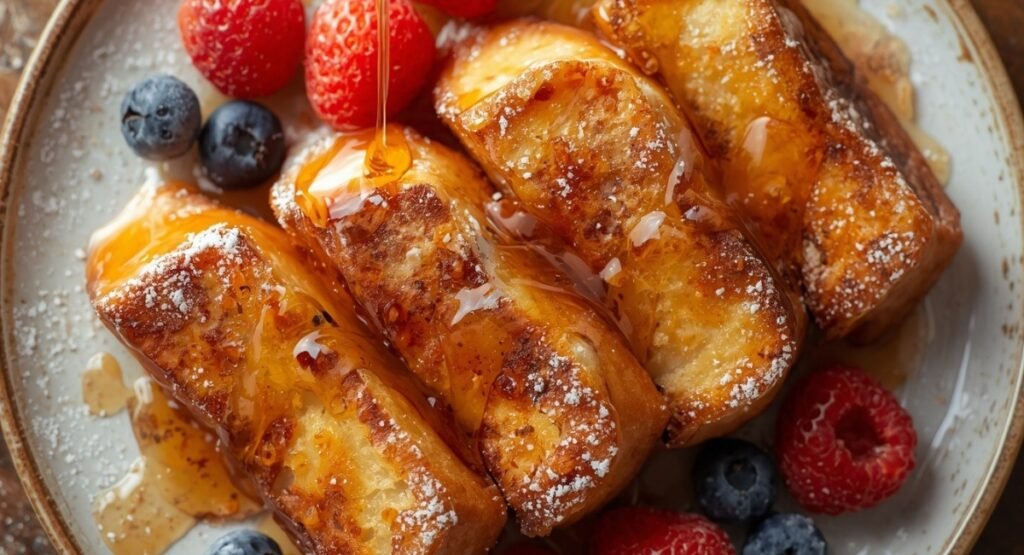
For Fluffy French toast, control the cooking temperature rather than rushing the process. Medium heat allows the custard to set while the exterior turns golden. Use enough butter to coat the pan without creating a greasy surface. Also, cook in batches whenever necessary.The biggest mistake involves soaking bread for too long. A short dip gives you a Custardy French toast center without creating wet, fragile slices. If the outside browns too quickly, lower the heat. If the bread stays pale, give your skillet more time to heat.
Conclusion
French toast does not require complicated tricks. You simply need good bread, balanced custard, and controlled heat. Once you understand those three elements, you can confidently create Homemade French toast for ordinary mornings or relaxed weekend gatherings.
Start with the basic method, then experiment with toppings and seasonal flavors. Whether you prefer berries and syrup or a savory twist, this French toast breakfast gives you a dependable starting point. The best part is that your kitchen will smell incredible before breakfast even reaches the table.
FAQs
What is the best bread for French toast?
Brioche, challah, and thick Texas toast are excellent choices because they absorb custard while maintaining their structure. However, regular sandwich bread also works. Slightly stale bread usually gives you better results than very fresh bread.
What is the ideal egg-to-milk ratio?
A practical Egg-to-milk ratio is about four large eggs for one cup of milk. This creates enough custard to coat several slices without making them excessively wet. Adjust slightly depending on your bread’s thickness and absorbency.
Should I use milk or heavy cream?
Whole milk produces a balanced texture and keeps the recipe lighter.Heavy cream French toast tastes richer and more luxurious. You can also combine milk with half-and-half for a middle ground that works particularly well for weekend breakfast.
Can I make French toast with sandwich bread?
Absolutely. Sandwich bread French toast works well when the slices are slightly dry. Because ordinary bread is thinner and more delicate, dip it quickly. Avoid leaving it submerged because it can absorb too much custard and fall apart.
How can I make dairy-free French toast?
Use oat milk, almond milk, or another suitable plant-based milk. Replace regular butter with vegan butter or another cooking fat. This creates Dairy-free French toast without requiring a completely different cooking technique.
Can I make French toast without eggs?
Yes. Cornstarch can help provide structure when eggs are unsuitable. You can also explore an egg-free French toast approach using plant-based ingredients. Test the mixture with one slice first because different breads absorb alternative batters differently.
Can I freeze homemade French toast?
Yes. Freezer-friendly French toast makes busy mornings much easier. Cool the cooked slices completely, freeze them separately, then transfer them into a freezer-safe container. Reheat them in an oven, toaster, or air fryer for better texture.
What makes French toast crispy outside but soft inside?
Three factors matter most: slightly dry bread, a brief dip, and medium cooking temperature. Together, they create a crispy exterior while the custard gently sets inside. Over-soaking or excessive heat usually ruins that balance.