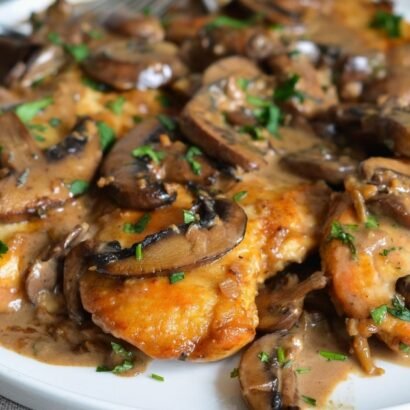

Looking for a simple yet impressive weeknight meal? This sautéed chicken breasts recipe delivers perfectly juicy chicken every time with minimal effort. Using just a hot skillet, basic seasonings, and a few minutes of attention, you can create restaurant-quality pan-seared chicken that stays tender and flavorful.
The secret lies in proper searing technique and not overcooking, resulting in golden exteriors and moist interiors. Ideal for busy evenings, this easy skillet recipe pairs beautifully with vegetables, pasta, or salads. Whether you’re a beginner or seasoned cook, these tender chicken breasts will become a reliable favorite in your dinner rotation, proving that delicious home cooking doesn’t need complicated steps or long prep times.
Why You’ll Love This Sautéed Chicken Breast Recipe
The best thing about this recipe is its simplicity. You can prepare a flavorful skillet chicken breast recipe with ingredients you probably already have in your kitchen. A hot pan creates a beautiful crust while the chicken stays tender inside. The optional lemon butter sauce adds brightness and richness without overwhelming the natural flavor of the meat.
This recipe also fits busy schedules. You can adjust the seasonings, skip the sauce, or add garlic and herbs for extra flavor. It works for family dinners, meal prep, and casual entertaining. Once you understand the technique, you’ll have a reliable way to make juicy skillet chicken whenever a quick, satisfying meal sounds good.

Sautéed Chicken Breasts (Juicy, Tender & Easy Skillet Recipe)
Ingredients
Boneless skinless chicken breasts 4 medium Main protein
Olive oil 1–2 tablespoons Helps brown the chicken
Unsalted butter 2 tablespoons, divided Adds richness
Kosher salt ¾ teaspoon, or to taste Enhances flavor
Black pepper ½ teaspoon Adds gentle heat
Italian seasoning 1 teaspoon Adds herbal flavor
Garlic cloves 2, minced Deepens the sauce
Chicken broth ½ cup Forms the pan sauce
Fresh lemon juice 1–2 tablespoons Brightens the flavor
Fresh parsley 1 tablespoon, chopped Fresh finishing touch
Instructions
- How to Cook Sautéed Chicken Breasts in a Pan A heavy skillet helps distribute heat and creates better browning. Heat olive oil over medium-high heat until it shimmers, then carefully add the seasoned chicken in a single layer. Leave enough space between the pieces because overcrowding lowers the pan temperature and encourages steaming instead of searing.
- Step 1: Sear the Chicken Until Golden Brown Cook the chicken for approximately 4–6 minutes on the first side, depending on thickness. Avoid moving it too soon because the surface needs time to develop a golden-brown crust. Flip when the chicken releases easily from the pan. Cook the second side for another 3–6 minutes, adjusting the heat as needed.
- Step 2: Finish Cooking and Check Doneness Continue cooking until the thickest part reaches an internal temperature of 165°F (74°C). Check with an instant-read meat thermometer rather than relying on color alone. Transfer the chicken to a clean plate once it reaches a safe temperature. Let it rest briefly while you prepare the sauce.
Choosing the Best Chicken Breasts
Boneless chicken breasts work especially well because they cook quickly and are easy to slice. Choose pieces that are similar in size so they finish cooking at roughly the same time. If your chicken breasts are thick, slice them horizontally or pound them evenly before cooking. This simple step helps prevent dry edges and an undercooked center.
Oil, Butter, and Seasonings
Olive oil helps the chicken develop a golden crust, while unsalted butter gives the sauce a rich taste. Italian seasoning, kosher salt, and black pepper create a balanced base. Fresh garlic, lemon juice, and parsley bring extra freshness. For a creamier variation, add a small splash of heavy cream to the finished sauce.
How to Prepare Chicken Breasts for Sautéing
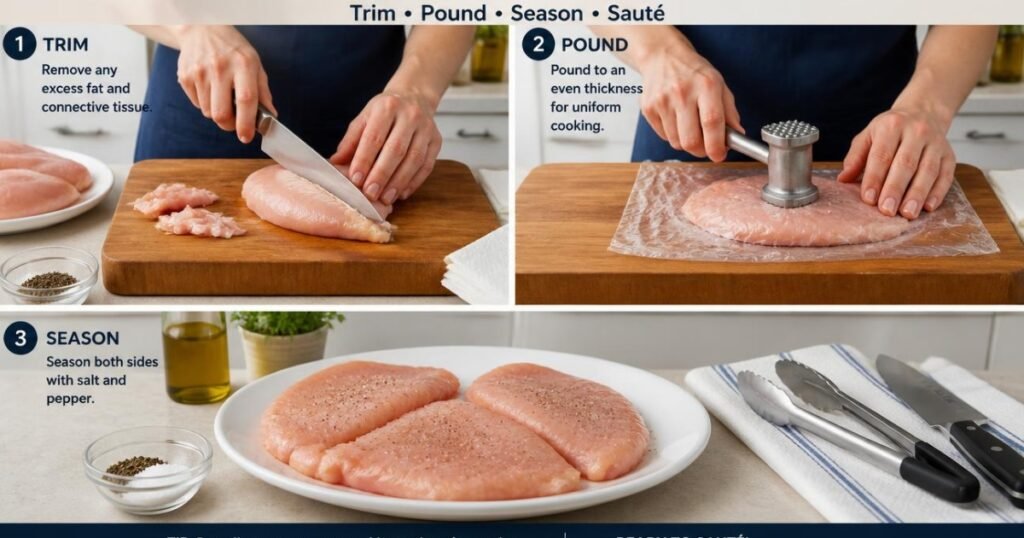
Good preparation makes a noticeable difference in the finished dish. Start by trimming excess fat from the chicken, then pat each piece dry with paper towels. A dry surface browns more effectively than a wet one. Season both sides evenly so every bite tastes flavorful rather than bland.
How to Cut or Pound Chicken Breasts Evenly
Place each chicken breast between two sheets of plastic wrap and gently pound thicker areas with a meat mallet. Aim for an even thickness of about ½–¾ inch. Evenly pounded chicken breasts cook more consistently, helping you achieve tender meat without overcooking the thinner edges.
Best Temperature and Cooking Time for Sautéed Chicken Breasts
For reliable results, begin with medium-high heat to brown the chicken, then lower the heat if the outside cooks too quickly. Thin cutlets may need around 3–5 minutes per side, while thicker pieces can take longer. Your skillet, chicken thickness, and starting temperature all affect the final cooking time.
| Chicken thickness | Approximate total cooking time |
| Thin cutlets, about ½ inch | 6-7 minutes |
| Medium pieces, about ¾ inch | 8-12 minutes |
| Thicker pieces, about 1 inch | 12-16 minutes |
These times are estimates, not guarantees. Always confirm that the chicken reaches 165°F in its thickest section. This chicken breast cooking time guide helps you plan dinner, but a thermometer gives you the most dependable answer.
How to Tell When Sautéed Chicken Breasts Are Done
The safest way to check doneness is with a digital meat thermometer. Insert the probe sideways into the thickest part of each piece without touching the pan. The reading should reach 165°F (74°C). This safe chicken temperature helps protect you from foodborne illness while keeping the meat tender.
Cutting into chicken can reveal its texture, but appearance alone cannot reliably confirm safety. Overcooked chicken often feels firm and dry, while properly cooked chicken remains tender. For perfectly cooked chicken breast, check the temperature early, remove each piece once it reaches the recommended temperature, and avoid leaving it in the hot skillet unnecessarily.
How to Make Lemon Butter Sauce for Sautéed Chicken Breasts

A quick pan sauce adds restaurant-style flavor without much extra work. After transferring the chicken to a plate, reduce the heat to medium-low. Add one tablespoon of butter and the minced garlic, stirring for about 30 seconds until fragrant. Scrape up the browned bits because they provide concentrated flavor.
Pour in the chicken broth and fresh lemon juice, then simmer for 2–4 minutes. Stir in the remaining butter and chopped parsley until the sauce looks glossy. Return the chicken to the skillet and spoon the sauce over each piece. This lemon butter chicken variation pairs beautifully with rice, pasta, or mashed potatoes.
Tips for Juicy, Tender, and Flavorful Sautéed Chicken Breasts
The secret to juicy chicken isn’t a complicated marinade. It comes down to even thickness, proper heat, and careful timing. Pat the surface dry, season generously, and avoid overcrowding your skillet. These simple habits help you achieve flavorful pan-seared chicken breast with a beautifully browned exterior.
Another useful trick is resting cooked chicken for a few minutes before slicing. Cut against the grain for a more tender bite, and spoon the warm sauce over the meat just before serving. If you’re wondering how to keep chicken breast moist, start checking its temperature early instead of waiting for the entire estimated cooking time.
FAQs
- What is the best way to sauté chicken breasts?
The best way is to start with evenly thick chicken breasts (pound them if needed). Season generously with salt and pepper. Heat a skillet over medium-high heat, add a high-smoke-point oil, and place the chicken in the hot pan without overcrowding. Cook undisturbed for 5–6 minutes until golden, then flip and cook another 4–6 minutes until the internal temperature reaches 165°F (74°C). Rest for a few minutes before slicing. This method gives a nice sear while keeping the meat juicy.
2. What are some common mistakes to avoid when cooking chicken breast?
- Cooking straight from the fridge (cold chicken cooks unevenly).
- Not drying the surface (moisture prevents proper browning).
- Overcrowding the pan (causes steaming instead of searing).
- Cooking on too low or too high heat. - Not resting the chicken after cooking (juices run out when cut too soon).
- Overcooking past 165°F, which makes it dry and tough.
- Is sautéed chicken breast healthy?
Yes, sautéed chicken breast is generally healthy. It is high in lean protein, low in fat (especially if skinless), and provides essential nutrients like B vitamins, selenium, and phosphorus. Using a moderate amount of healthy oil and avoiding heavy breading or creamy sauces keeps it nutritious. Pair it with vegetables for a balanced meal. - What is the purpose of chicken breast?
Chicken breast is primarily used as a lean source of high-quality protein. It is versatile in cooking (sautéing, grilling, baking, etc.), mild in flavor so it absorbs seasonings well, and popular in healthy diets, weight management, and muscle-building meal plans because it is low in calories and fat compared to other cuts of chicken. - What oil is best for sautéing chicken?
The best oils are those with a high smoke point, such as:
- Avocado oil
- Refined olive oil (or light olive oil)
- Canola oil - Grapeseed oil
These oils can handle medium-high heat without burning. Extra-virgin olive oil is better saved for finishing or lower-heat cooking because it has a lower smoke point.
Final Thoughts
A delicious chicken dinner doesn’t need fancy ingredients or hours in the kitchen. With a hot skillet, balanced seasonings, and careful cooking, you can make tender chicken with a golden crust every time. Try the lemon butter sauce first, then experiment with garlic, herbs, or cream to discover your favorite version.